

Bon Ton 2020, LLC v. BINOLA-Built-In-New Orleans, Louisiana LLC, No. 2026-C-0423 (La. App. 4 Cir. July 6, 2026)
- Court
- Louisiana Court of Appeal, Fourth Circuit
- Decided
- July 6, 2026
- Opinion by
- Tiffany Gautier Chase, J.
- Disposition
- Writ granted; judgment reversed and remanded (supervisory writ, not an appeal)
- Authorities
- La. C.C.P. art. 1422
- Issue
- Whether an insurer’s loss-reserve calculation documents are discoverable or require in-camera review before production.
Bon Ton 2020, LLC v. BINOLA-Built-In-New Orleans, La., No. 2026-C-0423 (La. App. 4 Cir. July 6, 2026).
On This Page:
ToggleProcedural note: This ruling came on a supervisory writ application rather than on appeal. A supervisory writ is an interlocutory review of a trial court ruling while the case is still pending, not a final decision on the merits. The Fourth Circuit granted the writ, reversed the judgment, and remanded for an in-camera review of the reserve documents — “WRIT GRANTED; JUDGMENT REVERSED AND REMANDED.” The underlying case continues in the trial court.
What Happened
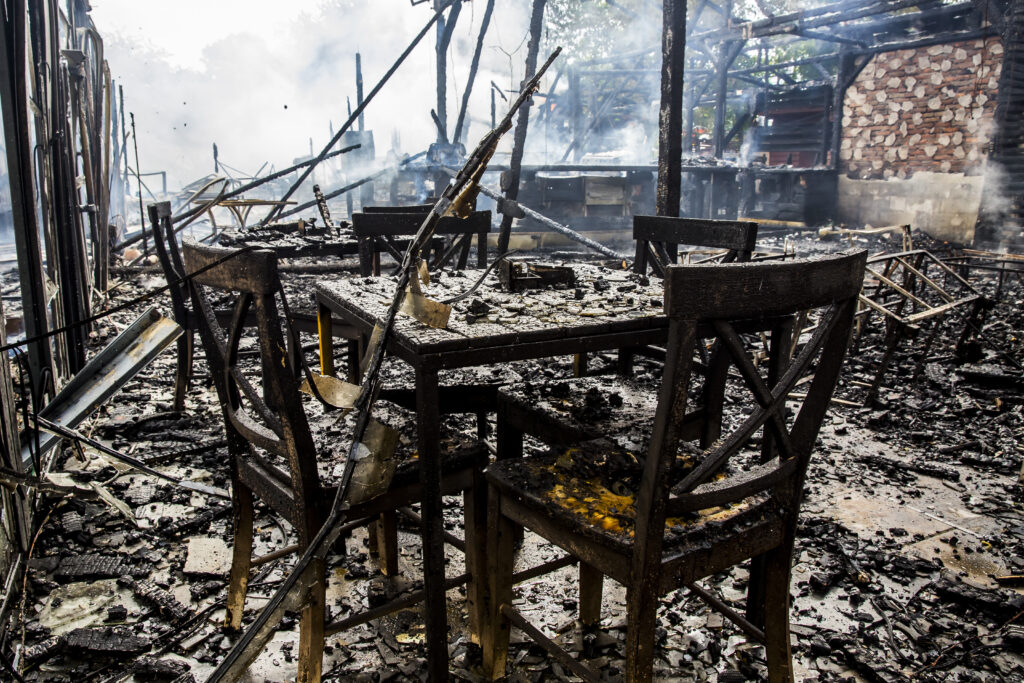
This case started with a fire. A New Orleans building owner, Bon Ton 2020, LLC (along with a related company, Walk the Plank, LLC), hired a contractor, BINOLA, to renovate a building on Magazine Street that was going to become a restaurant. During the renovation, workers allegedly disposed of combustible materials the wrong way, and a fire broke out, causing roughly $4.2 million in damage.
Bon Ton sued the contractor and its insurance company, The Burlington Insurance Company (“TBIC”), to recover for the damage. As part of the lawsuit, Bon Ton wanted to see TBIC’s internal claims file — the paperwork the insurance company keeps showing how it evaluated and handled the claim.
TBIC handed over some of the file but blacked out (redacted) portions, arguing that certain information is protected by legal privilege — meaning it doesn’t have to be shared because it reflects the insurer’s private legal strategy and evaluation of the claim, not facts about what actually happened. Bon Ton asked the court to force TBIC to produce the unredacted version.
The trial judge initially ordered TBIC to hand over the complete file. TBIC pushed back, and the judge agreed to first review the documents privately (this is called an “in-camera review” — a judge looking at documents alone, without either side present, to decide whether they should be shared). After that private review, the judge ultimately ruled in September 2025 that the redacted material was privileged and did not have to be produced.
But the story didn’t end there. In March 2026, Bon Ton filed a new request — this time specifically asking for information about how TBIC calculated its “insurance reserves” for this claim. (A reserve is money an insurance company sets aside to cover an expected payout on a claim. Reserve figures are accounting estimates that can reflect anticipated loss and expense, policy limits, reporting practices and regulatory requirements — they are not necessarily admissions of liability or proof of what a claim is worth.) TBIC argued the same privilege applied and objected again.
A different judge, sitting temporarily on the case, granted Bon Ton’s request this time, reasoning that the earlier ruling about privilege didn’t specifically cover reserve calculations, so it didn’t control this new request. The problem: by then, the original claim file documents had already been returned to TBIC or destroyed, so the judge did not have anything in front of her to actually review before ordering disclosure.
TBIC asked the Louisiana Fourth Circuit Court of Appeal to step in. The appeals court agreed with TBIC. It found that no one — not the trial court, not the appeals court — actually knows yet whether the reserve-calculation documents are privileged, because those specific documents were never part of the earlier private review. The court reversed the order forcing disclosure and sent the case back to the trial court, instructing it to conduct a proper in-camera review of the reserve-related documents before deciding whether they must be handed over.
Could This Affect Someone Like You?
If you’ve ever filed an insurance claim after a car accident, a fire, a slip-and-fall, or property damage — and especially if you’ve had to sue an insurance company because they wouldn’t pay what you believe you’re owed — this case is relevant to you. It shows how insurance companies often resist turning over their internal files, even when you’re suing them, by claiming the documents are privileged.
This dispute isn’t about who caused the fire or who has to pay for the damage. It’s about the behind-the-scenes fight over what evidence each side gets to see during a lawsuit. Policyholders frequently seek an insurer’s internal claims documents, and insurers frequently object that those materials are privileged. How that objection gets resolved is a document-by-document question — and that procedural question is what the Fourth Circuit addressed here.
The Fourth Circuit did not decide that TBIC’s reserve-calculation records are discoverable. Instead, it held that the trial court could not resolve TBIC’s privilege objection without first reviewing the reserve-related documents in camera. The ruling is therefore limited to the discovery procedure required for these particular materials in this case.
Where to Read the Opinion
Bon Ton 2020, LLC v. BINOLA-Built-In-New Orleans, La., No. 2026-C-0423 (La. App. 4 Cir. July 6, 2026). Read the full opinion (PDF)
What to Do Next
If you are involved in a dispute with an insurance company — whether over property damage, a fire, an accident, or any other claim — and you suspect the insurer is withholding important information about how it evaluated or valued your claim, you don’t have to simply accept a redacted file at face value. An experienced attorney can push for the court to review the withheld documents directly, just as happened in this case, to make sure any privilege claims are legitimate and not being used to hide unfavorable information.
If you have questions about an insurance claim dispute, a construction-related property damage claim, or concerns that an insurer isn’t being fully transparent during litigation, contact Lavis Law Firm for a consultation. We can help you understand your rights to discovery and make sure you get access to the information you’re legally entitled to see.
For more on the kinds of claims this dispute arose from, see our pages on fire damage insurance claims, insurance bad faith, and insurance adjusters.
Read the court’s opinion
- Opinion (100 KB PDF)
Hosted here so the link does not break if the court reorganizes its site.
This post is general information about legal developments, not legal advice. It may discuss court decisions, statutes, or regulations without describing every fact, issue, or exception that could apply, and state and federal law changes over time. No representation is made that this post is accurate, complete, or current, either now or at the time it was published. Reading it does not create an attorney-client relationship. See our full Disclaimer, and contact our office to discuss your specific situation.