

Kayla Davis v. Old American Indemnity Company, No. 56,916-CA (La. App. 2 Cir. July 15, 2026)
- Court
- Louisiana Court of Appeal, Second Circuit
- Decided
- July 15, 2026
- Opinion by
- Marcotte, J.
- Disposition
- Affirmed
- Authorities
- La. R.S. 22:1269 (Direct Action Statute); La. C.C. art. 6
- Issue
- Whether amended limits on suing an insurer directly apply when the accident predated the amendment but the suit was filed after its effective date.
Davis v. Old American Indemnity Co., No. 56,916-CA (La. App. 2 Cir. July 15, 2026).
On This Page:
ToggleWhat Happened
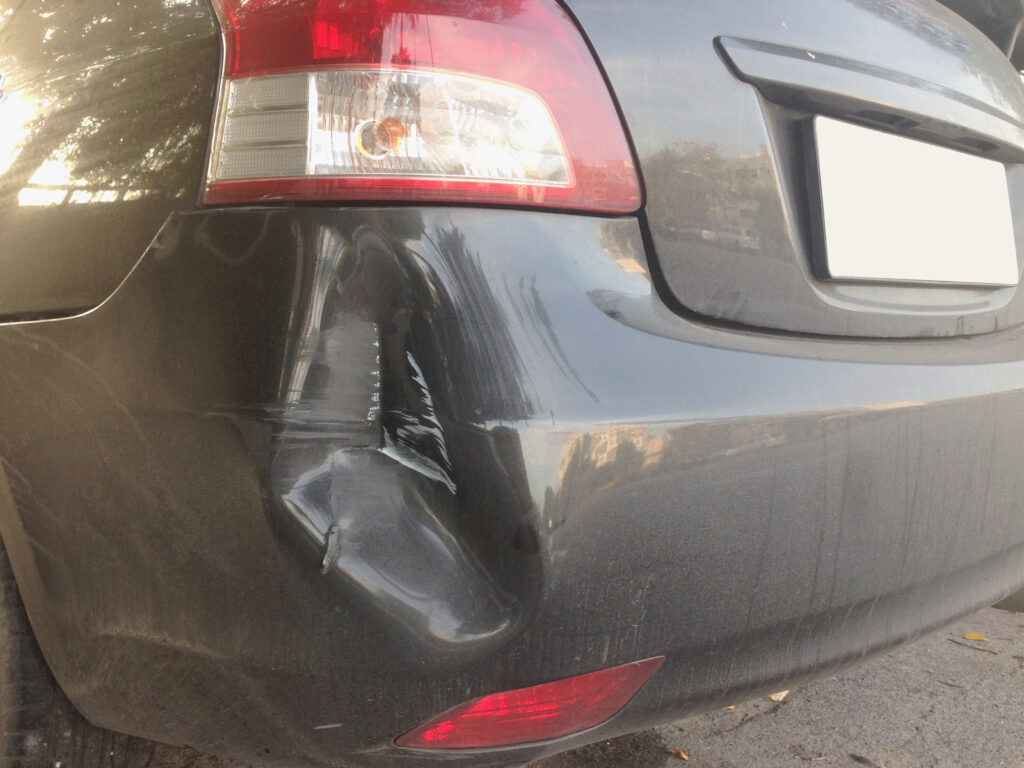
This case started with a car accident that happened on May 12, 2024, in Caddo Parish, Louisiana. Kayla Davis and Genesis Schaper, who filed suit for herself and her minor son, said they were hurt in the crash. They filed a lawsuit against several people and companies, including the drivers involved and their insurance companies.
One of the insurance companies named in the lawsuit was Sentry Insurance Company, later identified in the litigation as Sentry Select Insurance Company. Sentry insured two of the other defendants, a trucking company and a driver. The plaintiffs filed their lawsuit on September 17, 2024.
Here’s where the case gets tricky: Louisiana has a law called the Direct Action Statute, La. R.S. 22:1269. This law lets an injured person sue an at-fault driver’s insurance company directly, instead of only suing the driver. Louisiana lawmakers changed this law, and the new version took effect on August 1, 2024. The amended law made it harder to sue an insurance company directly, except in certain limited situations.
Sentry asked the trial court to dismiss it from the lawsuit. Sentry argued that because the plaintiffs filed suit after August 1, 2024, the new, more restrictive version of the law applied to their case—even though the accident happened before the law changed. Sentry said the plaintiffs did not qualify for any of the limited situations that still allow a direct lawsuit against an insurer, so they had no legal right to sue Sentry directly.
The plaintiffs disagreed. They argued that the right to sue an insurer directly is a substantive right—meaning a core legal right, not just a procedural rule—that should have been locked in on the date of the accident, before the law changed. They asked the trial court to let their claim against Sentry continue.
The trial court sided with Sentry. It granted Sentry’s exception of no right of action, dismissed Sentry without prejudice, and struck Sentry’s name from the caption. The plaintiffs appealed.
What the Court Decided
The Louisiana Second Circuit Court of Appeal upheld the trial court’s decision. The court explained that it had recently decided this exact legal question in another case, called Morgan v. Southern Hospitality Services, LLC. In that case, the court found that the old version of the Direct Action Statute was a procedural rule, not a substantive right. In plain terms, this means the law simply gave injured people a tool to bring an insurance company into a lawsuit, rather than creating a fundamental legal right tied to the date of the accident.
Because the old law was procedural, the court found that the new, amended version of the law applies to any lawsuit filed after August 1, 2024, even if the underlying accident happened before that date. Since the plaintiffs did not file their lawsuit until September 17, 2024, the amended law applied to their case. The court found no evidence in the record that the plaintiffs had used their right to name Sentry before they filed their lawsuit. As a result, the court agreed that the plaintiffs had no legal right to sue Sentry directly, and it affirmed the dismissal.
Because the court decided the case based on this key issue, it did not need to address the plaintiffs’ other arguments on appeal.
Why It Matters
This decision matters because it shows how courts decide whether a new law applies to old accidents. Generally, a new law that changes a substantive right (a core legal right) cannot be applied backward in time. But a new law that only changes a procedural rule (how a case is handled) usually can apply to any lawsuit filed after the law takes effect, even if the underlying events happened earlier.
In Davis, because no statutory exception applied, the court held that the date the plaintiffs invoked the direct-action procedure — not the date of the accident — controlled which version of the statute governed their effort to sue Sentry directly. The amended statute still permits a direct action in enumerated circumstances, such as where the insured is insolvent or bankrupt, cannot be served or refuses to defend, or is deceased; where the insurer is an uninsured motorist carrier; or where the insurer denies coverage or defends under a reservation of rights. So people whose accidents happened around the 2024 law change should pay close attention to which version of the Direct Action Statute applies and whether an insurer can be named directly. That question is separate from the deadlines that govern the underlying injury claim itself.
Could This Affect Someone Like You?
If you were in an accident in Louisiana around mid-2024 and are considering filing a lawsuit, this ruling could affect whether you can sue an insurance company directly, or whether you need to sue the at-fault driver or company instead. The rules about who you can name in a lawsuit—and when—can be complex, especially when laws change. This is a general legal principle, not advice about any specific case, and every situation is different.
Where to Read the Opinion
What to Do Next
If you or someone you know was hurt in an accident and is unsure about who can be named in a lawsuit or how recent changes to Louisiana insurance law might affect a claim, it’s a good idea to talk with a qualified attorney. An attorney can review the specific facts of your situation and explain your options under current law.
For more on suing insurers and on coverage after a crash, see our pages on Louisiana car insurance claims and on working with a Louisiana car accident lawyer.
Disclaimer
This article is for general information only and is not legal advice. Reading this post does not create an attorney-client relationship with Lavis Law. Laws and court rulings can change, and how they apply depends on the specific facts of each case. If you have questions about a legal matter, please consult a licensed attorney.
Read the court’s opinion
- Opinion (132 KB PDF)
Hosted here so the link does not break if the court reorganizes its site.
This post is general information about legal developments, not legal advice. It may discuss court decisions, statutes, or regulations without describing every fact, issue, or exception that could apply, and state and federal law changes over time. No representation is made that this post is accurate, complete, or current, either now or at the time it was published. Reading it does not create an attorney-client relationship. See our full Disclaimer, and contact our office to discuss your specific situation.